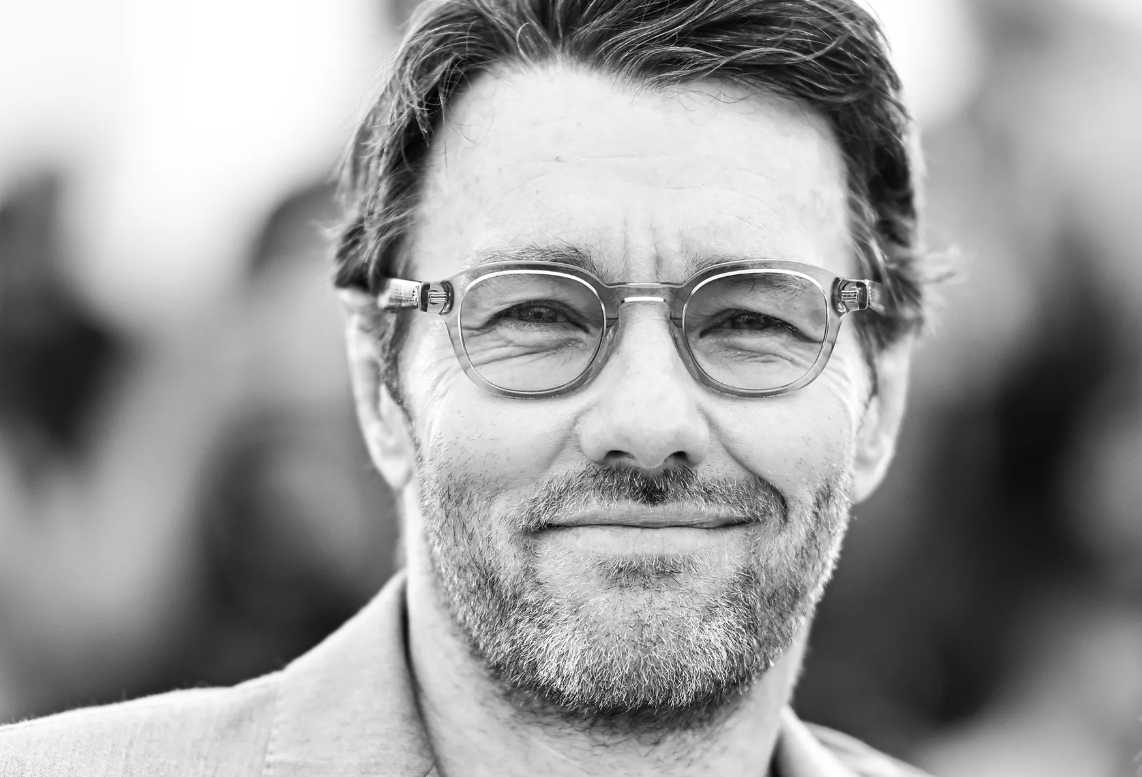
Joel Edgerton stands as one of Australia’s most versatile and respected actors, whose career reflects a deliberate commitment to craft, transformation, and creative independence. Moving fluidly between mainstream Hollywood productions and independent cinema, Edgerton has cultivated a reputation for depth, subtlety, and an ability to inhabit a wide range of characters.
Edgerton’s early career in Australian television and film provided a foundation that emphasized discipline and storytelling. His breakout role in the television series The Secret Life of Us introduced him to a wider audience, but it was his transition into film that solidified his reputation as a serious actor. From the outset, Edgerton demonstrated a willingness to take on complex roles that required emotional nuance and psychological depth.
His international breakthrough came with roles in major productions such as Star Wars: Episode II – Attack of the Clones and Warrior. These performances showcased his physicality and presence on screen, but it was his later work that revealed the full scope of his abilities. In films like Animal Kingdom, The Gift, and Loving, Edgerton moved beyond conventional roles, embracing characters that challenge audiences and explore moral ambiguity.
What sets Edgerton apart is his approach to acting as a craft rather than a performance. He is known for immersing himself deeply in his roles, often undergoing significant physical and psychological preparation. This commitment allows him to portray characters with authenticity, whether they are sympathetic, flawed, or deeply conflicted.
Beyond acting, Edgerton has expanded his creative influence as a writer and director. His directorial debut, The Gift, demonstrated a strong understanding of narrative tension and character development, while also showcasing his ability to construct psychologically engaging stories. His work behind the camera reflects a broader trend among actors seeking greater creative control and involvement in storytelling.
Edgerton’s career also reflects the changing dynamics of the film industry. In an era where blockbuster franchises coexist with independent cinema, he has managed to navigate both worlds successfully. This balance allows him to maintain artistic credibility while also participating in commercially successful projects.
Another defining aspect of Edgerton’s work is his willingness to engage with socially relevant themes. Films such as Loving, which explores interracial marriage and civil rights, highlight his interest in projects that carry cultural and historical significance. Through these roles, he contributes to broader conversations about identity, justice, and human relationships.
Despite his success, Edgerton has maintained a relatively low-profile public persona, focusing more on his work than on celebrity culture. This approach reinforces his identity as an actor committed to craft rather than fame—a distinction that resonates in an industry often driven by visibility and branding.
Looking ahead, Joel Edgerton’s career trajectory suggests continued evolution. As both an actor and filmmaker, he is likely to remain a significant figure in contemporary cinema, contributing to stories that challenge, engage, and resonate with global audiences.