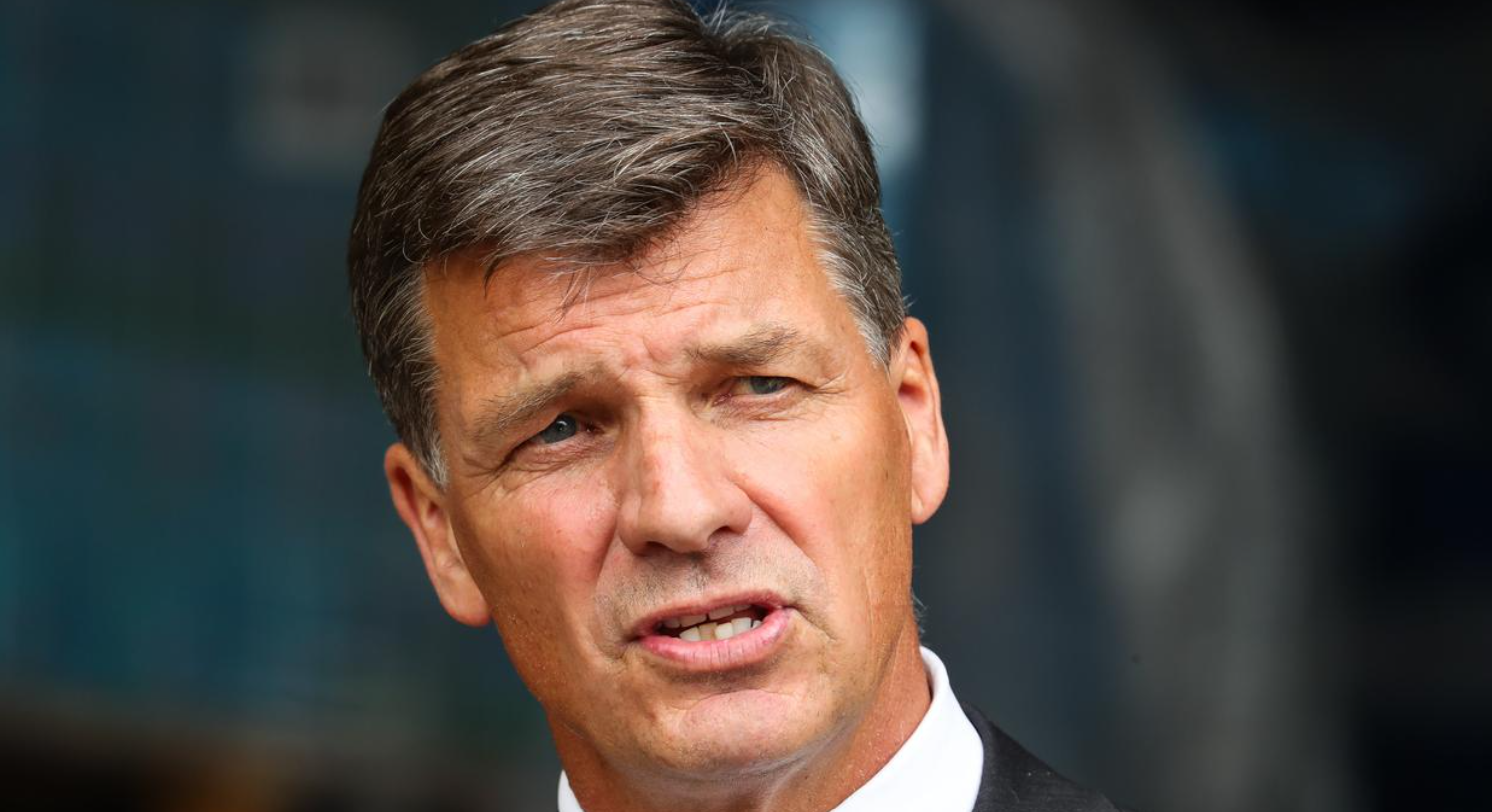
Angus Taylor has established himself as a central figure in Australia’s economic and political landscape, known for his focus on fiscal policy, energy strategy, and long-term economic planning. As a senior member of the Liberal Party, Taylor has played a key role in shaping debates around economic growth, resource management, and national competitiveness.
Before entering politics, Taylor built a career in business and consulting, including work with global firms such as McKinsey & Company. This background provided him with a strong analytical framework and a deep understanding of market dynamics, which he later brought into his political career. His experience in the private sector has influenced his approach to policy, emphasizing efficiency, productivity, and evidence-based decision-making.
Taylor entered federal politics as the Member of Parliament for Hume, quickly gaining recognition for his expertise in economic matters. His appointment to key ministerial roles, including Minister for Energy and Emissions Reduction, placed him at the center of one of Australia’s most complex and contentious policy areas.
Energy policy in Australia involves balancing economic growth, environmental sustainability, and national security. Taylor’s tenure in this area was marked by efforts to ensure reliable and affordable energy while navigating the global transition toward lower emissions. His approach often emphasized technological innovation and market-based solutions, reflecting a pragmatic perspective on environmental and economic challenges.
As Treasurer, Taylor’s responsibilities expanded to encompass the broader economic direction of the country. In this role, he is tasked with managing fiscal policy, addressing inflation, supporting economic recovery, and ensuring long-term financial stability. The position requires not only technical expertise but also strategic vision, as decisions made at this level have wide-ranging implications for businesses, households, and national prosperity.
Taylor’s policy positions often reflect a focus on economic resilience and competitiveness. He has advocated for reducing regulatory burdens, supporting investment, and strengthening key industries. These priorities align with a broader philosophy that emphasizes the role of markets in driving growth while maintaining a framework for stability and oversight.
Like many political figures operating in high-stakes environments, Taylor’s career has involved navigating controversy and public scrutiny. Policy decisions, particularly in areas such as energy and taxation, often generate debate and differing perspectives. Taylor’s ability to operate within this environment reflects both the challenges and realities of modern governance.
A notable aspect of Taylor’s approach is his emphasis on long-term planning. Economic policy is not only about immediate outcomes but also about preparing for future challenges, including technological change, demographic shifts, and global competition. His work highlights the importance of strategic thinking in ensuring sustainable growth.
Taylor’s role also underscores the interconnected nature of modern policy-making. Economic decisions are closely linked to environmental considerations, international trade, and domestic social outcomes. This complexity requires a holistic approach, where policies are evaluated not in isolation but as part of a broader system.
As Australia continues to navigate an evolving global economy, Angus Taylor’s influence is likely to remain significant. His combination of business experience, policy expertise, and strategic focus positions him as a key contributor to the country’s economic direction in the years ahead.